Would you like to switch to the accessible version of this site?

Go to accessible site Close modal window

Don't need the accessible version of this site?

Hide the accessibility button Close modal window
Accessibility View Close toolbar

740-642-3031

Request Appointment
Veterinary Topics
Menu
  • Home
  • New Patient Center
    • Online Forms
    • What to Expect
    • Veterinary Resources
    • Payment Options
  • About Us
    • Services
    • Meet our Veterinarian
    • Meet Our Team
  • Contact Us
  • Shopping Partner
  • Blog
Kingston Veterinary Hospital
  • Home >
  • Articles >
  • Pet Health >
  • Ticks

Ticks

  • Created in Pet Health
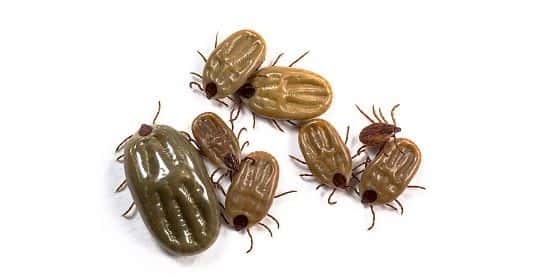
Image of ticks.

Ticks are the small wingless external parasites, living by hematophagy on the blood of mammals, birds, and occasionally reptiles and amphibians. Ticks are blood-sucking parasites that are often found in freshly mown grass, where they will rest themselves at the tip of a blade so as to attach themselves to a passing animal. It is a common misconception that the tick can jump from the plant onto the host. Physical contact is the only method of transportation for ticks. They will generally drop off the animal when full, but this may take several days. Ticks have a harpoon-like structure in their mouth area, known as a hypostome, that allows them to anchor themselves firmly in place while sucking blood. This mechanism is normally so strong that removal of a lodged tick requires two actions: One to remove the tick, and one to remove the remaining head section of the tick.

Ticks are important vectors of a number of diseases. Ticks are second only to mosquitoes as vectors of human disease, both infectious and toxic. Hard ticks can transmit human diseases such as relapsing fever, Lyme disease, Rocky Mountain spotted fever, tularemia, equine encephalitis, Colorado tick fever, and several forms of ehrlichiosis. Additionally, they are responsible for transmitting livestock and pet diseases, including babesiosis, anaplasmosis and cytauxzoonosis.

  • Pet Health
    • Chronic Conditions
    • Digestive and Oral Health
    • Diseases and Viruses
    • Pests and Parasites
    • Orthopedics
  • Today's Veterinarian
  • Choosing Your Pet
    • Finding Your Pet
    • Cats
    • Dogs
    • Exotics
      • Amphibians
      • Birds
      • Reptiles
        • Lizards
        • Turtles
    • Small Mammals
      • Ferrets
      • Rabbits
      • Domesticated Animals
        • Prairie Dogs
      • Pocket Pets
        • Chinchillas
        • Guinea Pigs
        • Hamsters
        • Hedgehogs
        • Rats
    • Livestock
      • Cows
      • Donkeys, Horses & Mules
      • Goats
      • Pigs
      • Poultry
      • Sheep
  • Living With Your Pet
    • Bringing Your Pet Home
    • Children and Pets
    • Providing Care
    • Travel
    • Saying Goodbye
  • Newsletter Library
    • Cats
    • Tips for Pet Owners
    • Behavior & Training
    • Fleas & Parasites
    • Keeping Pets Healthy
    • Recognizing Illness
    • Nutrition & Food
    • Pet Dangers
    • Seasonal Topics
    • Visiting the Vet
    • Equine
    • Newsletter Archive
      • Fun with Pets
      • Unbelievable Pets
  • Video Newsroom
    • Health Topics
    • Technology and Science
    • Other Interests
  • Newsletter Library
  • Client Survey
  • Pets4Kids

Our Location

Office Hours

Monday:

8:00 am

5:00 pm

Tuesday:

8:00 am

5:00 pm

Wednesday:

8:00 am

5:00 pm

Thursday:

8:00 am

5:00 pm

Friday:

8:00 am

5:00 pm

Saturday:

EVERY OTHER WEEK

TECH APPOINTMENTS ONLY

Sunday:

Closed

Closed

Exclusive Offer
No Health Form settings found. Please configure it.
  • Copyright © 2026 MH Sub I, LLC dba iMatrix.
  • Admin Log In
  • Site Map